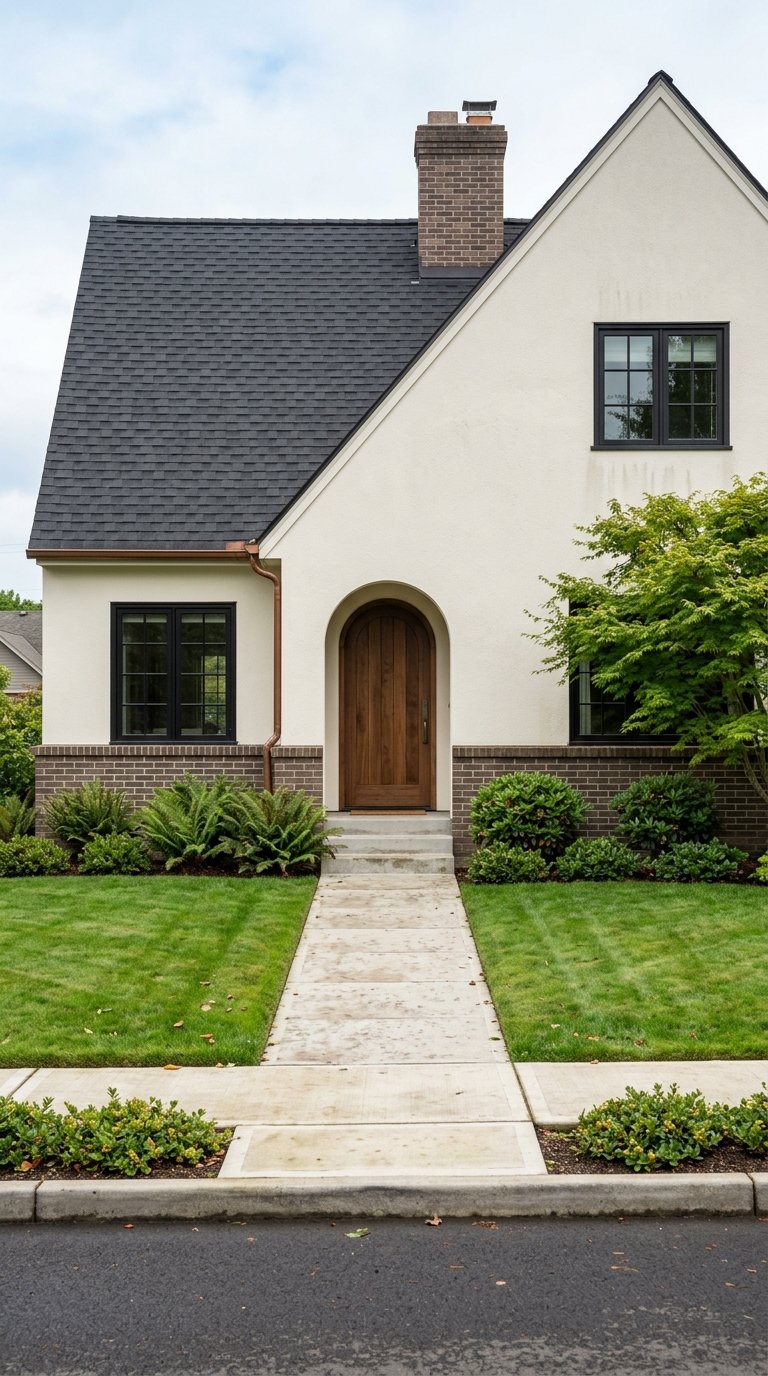
Wondering why one North End Tacoma block has a porch-front Craftsman, a steep-roof Tudor-influenced home, and a simpler mid-century house just a few doors apart? That mix is part of what gives the North End its lasting appeal, but it can also make buying decisions feel less straightforward. When you understand what each home style often signals about layout, upkeep, and future changes, you can shop with more confidence. Let’s dive in.
Why North End homes feel so varied
North End Tacoma is not defined by just one look. Tacoma preservation materials describe a housing mix that stretches from the 1870s through the 1970s, shaped by different eras of growth and changing building trends over time.
In practical terms, that means you should expect a block-by-block blend of home types rather than one uniform style. In and around the North End, Tacoma identifies middle-class Victorian, Craftsman, Colonial Revival, and Foursquare homes, along with early Queen Anne and Stick-style examples, plus later brick residences and apartment buildings that became more common after the Great Depression.
That architectural range matters because style is rarely just about curb appeal. In the North End, a home’s era often gives you clues about its floor plan, materials, maintenance needs, and how flexible future updates may be.
Craftsman and bungalow homes
Craftsman and bungalow homes are some of the most recognizable styles you may see in North End Tacoma. These homes are typically one to one-and-a-half stories with a low horizontal profile, broad or gently pitched gables, wide overhanging eaves, and welcoming front porches.
You may also notice grouped windows, exposed rafter tails or beams, and strong use of wood trim and natural materials. Inside, these homes often connect more directly to porches and outdoor spaces, and the layout may feel more open than older Victorian-era designs.
For buyers, this usually means much of the value is tied to original character details. Wood siding, porch elements, built-ins, and millwork can all be important features to preserve and evaluate carefully during showings.
What Craftsman style may mean for you
A Craftsman or bungalow can offer warmth and charm that is hard to duplicate in newer construction. At the same time, original details may need regular upkeep, especially if exterior wood elements have been exposed to years of weather.
If you are comparing properties, look closely at the condition of the porch, trim, siding, and windows. A well-maintained Craftsman can be deeply rewarding to own, but deferred maintenance can add up quickly.
Tudor-influenced and Tudor Revival homes
Tudor-influenced homes stand out for different reasons. These properties often feature steeply pitched gable or cross-gable roofs, asymmetrical shapes, mixed materials such as stucco, brick, or stone, decorative half-timbering, and narrow multi-pane windows.
In Washington, many houses are Tudor-influenced rather than full Tudor Revival designs. That often means the home may have a more familiar overall form, but with Tudor-style details added through the roofline, masonry, windows, or trim.
For you as a buyer, the appeal is often in those distinctive visual elements rather than in a simple boxy layout. These homes can feel storybook-like from the street, but they also ask you to pay close attention to roof condition, chimney maintenance, and the quality of older window components.
What Tudor details may signal
When you walk through a Tudor-influenced home, notice where the character is concentrated. The roof shape, masonry, and trim often do much of the architectural work, so those features deserve extra scrutiny during inspections.
If those elements are intact and well cared for, they can be a major part of the home’s long-term appeal. If they have been altered or neglected, restoration may be more complex than cosmetic updates in a simpler house style.
Mid-century and postwar homes
Not every North End home is prewar. Tacoma’s preservation planning also recognizes mid-twentieth-century residential design, including 1950s and 1960s neighborhoods and ranch-style areas that may qualify as historic resources.
These homes often feel more streamlined than older houses. Tacoma materials on modern residential design note wood-frame construction, wood cladding, and extensive glass, while mid-century examples also emphasize open interiors, post-and-beam construction, slab-on-grade foundations, and larger glass areas.
For some buyers, this style offers a cleaner, simpler look and a more straightforward floor plan. For others, the tradeoff may be less ornament and fewer historic details, but easier day-to-day living in certain layouts.
What mid-century homes may require
Mid-century homes still need careful due diligence. Their windows, rooflines, and site drainage deserve close attention, especially because larger glass areas and lower-slung roof forms can create maintenance issues if water management has been overlooked.
You may also find that some features are very original to the era. That can be a plus if you love the style, but it also means you should look at how systems, insulation, and weather protection have been updated over time.
What home age means for maintenance
One of the biggest differences between North End home styles is not just the look. It is the level and type of maintenance you may be taking on.
Older homes often need more attention to the building envelope than newer construction. That includes insulation, air sealing, roofing, windows, and other exterior materials that protect the home from moisture and weather.
The U.S. Department of Energy notes that many older homes have less insulation than homes built today. An energy assessment can help identify where air sealing and insulation improvements may be needed, especially in attics, walls, or crawlspaces.
Historic windows also deserve a closer look before assuming replacement is the best path. National Park Service guidance notes that wood windows in many historic buildings have already lasted more than 100 years and, with regular maintenance, can often outlast replacement units.
Roofs matter just as much. Preservation guidance treats roof form and roofing material as important character-defining features, and unaddressed leaks can speed up deterioration.
Key due-diligence items in older homes
If you are buying in the North End, these are some of the most useful areas to review closely:
- Original versus later-added features
- Roof age and roofing material
- Window condition and repairability
- Insulation and air sealing levels
- Crawlspace or attic moisture concerns
- Exterior siding, trim, and porch condition
For homes built before 1978, lead is also an important consideration. The EPA says older homes are more likely to contain lead-based paint, and lead-based paint disclosure rules apply to most pre-1978 housing.
Asbestos can also come up during remodeling or repairs. EPA guidance recommends that asbestos-containing materials be sampled by trained professionals and repaired or removed by accredited specialists if they are damaged or may be disturbed.
Historic district rules to know
Some North End properties fall within Tacoma’s North Slope Historic Special Review District. If a home is inside that district, certain exterior work may require design review when permits are needed.
According to the city, that can include items such as windows, siding, additions, chimneys, porches, and decks. Plumbing, sewer, electrical, and landscaping work are exempt from that review.
This is important because historic designation does not mean the same thing in every case. Tacoma also states that National Register or state-register listing alone does not create local restrictions for private owners beyond demolition review.
Why this matters before you buy
If you are hoping to remodel right away, style and location can affect your timeline. A home with historic district review requirements may still be a great fit, but you will want to understand those expectations before making plans for exterior changes.
That is especially true if the home’s value to you depends on replacing windows, reworking a porch, adding a deck, or changing siding materials. Knowing the review process early can help you avoid surprises later.
What these styles can mean for resale
In the North End, resale appeal often goes beyond square footage. Tacoma preservation materials say the North Slope district was created because residents valued the atmosphere created by its historic homes, and Tacoma Historical Society describes the Historic Homes of Tacoma Tour as a long-running community institution that inspires renovation and decorating projects.
That tells you something important about buyer demand. In many cases, people are drawn to the North End for character, setting, and original details just as much as for room count or raw size.
This does not mean one style is always better than another. It means each style attracts buyers for different reasons, and those reasons often connect to maintenance tolerance, design preferences, and renovation flexibility.
Questions to ask during showings
As you tour homes in North End Tacoma, keep your questions practical and style-specific:
- Which features appear original, and which were added later?
- Has the roof been replaced, and with what material?
- Are the windows repairable, or have they already been replaced?
- Is there enough insulation and air sealing in the attic, walls, or crawlspace?
- If the home predates 1978, has lead been disclosed or tested before remodeling?
- If the property is in a local historic district, what exterior changes will need review?
These questions can help you move beyond first impressions. They also make it easier to compare homes that may be similar in price but very different in upkeep, comfort, and update potential.
Choosing the right style for your goals
The best North End Tacoma home style for you depends on more than appearance. A Craftsman may win you over with built-ins and porch charm, a Tudor-influenced home may stand out for its rooflines and masonry, and a mid-century house may feel easier to adapt to your daily routine.
The key is to match the home’s character with your comfort level for maintenance, preservation, and future projects. When you look at style through that lens, you are much more likely to choose a home that fits both your taste and your lifestyle.
If you are comparing North End Tacoma homes and want clear, practical guidance on what to look for, Stephanie Patrick can help you evaluate character, condition, and long-term fit with confidence.
FAQs
What are the most common home styles in North End Tacoma?
- North End Tacoma includes a mix of Victorian, Craftsman, Colonial Revival, Foursquare, early Queen Anne, Stick-style, Tudor-influenced, and some mid-century and postwar homes.
What does a Craftsman home in North End Tacoma usually include?
- A Craftsman home often includes a low profile, broad gables, overhanging eaves, front porches, wood trim, grouped windows, and interior details such as built-ins and millwork.
What should buyers check in older North End Tacoma homes?
- Buyers should pay close attention to roof condition, windows, insulation, air sealing, siding, trim, porch details, and possible lead-based paint or asbestos in older properties.
What does Tudor-influenced mean in Tacoma homes?
- Tudor-influenced usually means a home may not be a full Tudor Revival design but still includes Tudor-style details like steep rooflines, masonry, half-timbering, or multi-pane windows.
Do historic district rules affect North End Tacoma homes?
- Some homes in the North Slope Historic Special Review District may need design review for permitted exterior changes such as windows, siding, additions, chimneys, porches, and decks.
Are mid-century homes common in North End Tacoma?
- Mid-century and postwar homes are part of Tacoma’s residential history, and in the North End they often offer simpler lines, more glass, and more streamlined layouts than earlier homes.
