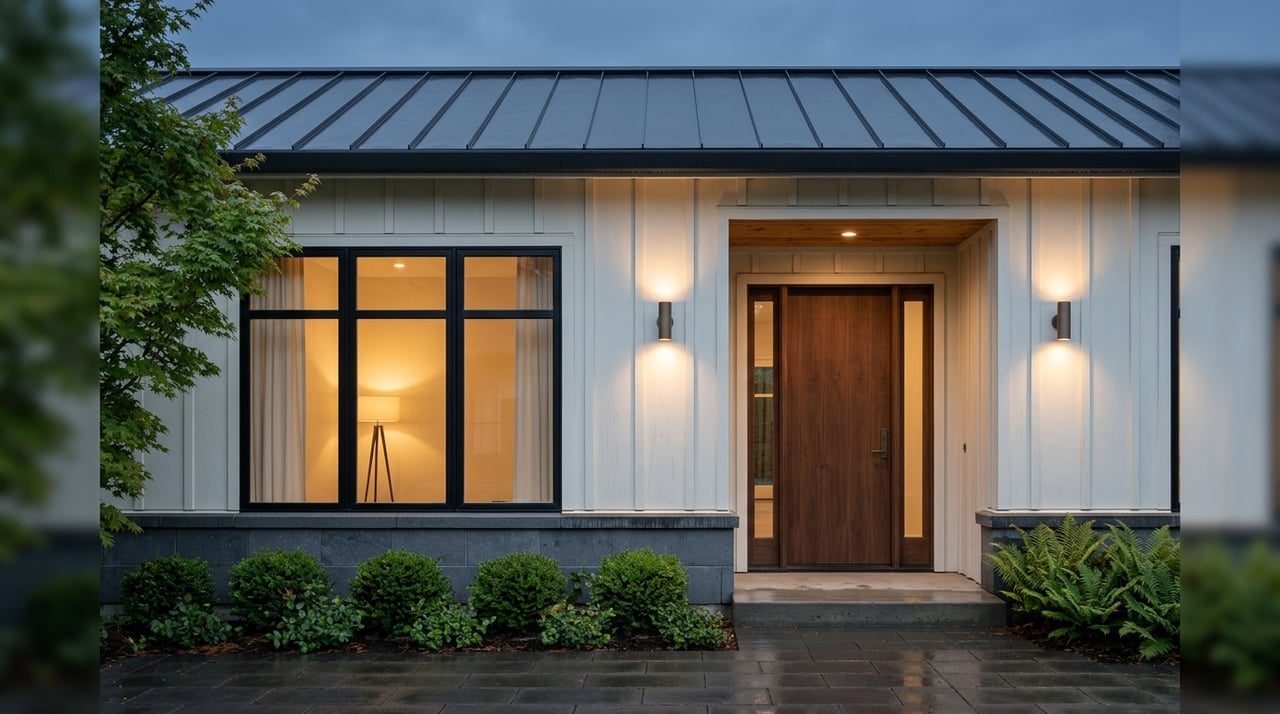
Selling in-town Gig Harbor can move fast, and your home’s first impression may do more work than you think. When buyers are scrolling photos or driving by, small details like a tidy entry, clear walkways, and bright interior spaces can shape how your home feels from the start. If you are getting ready to sell, a smart prep plan can help you stay organized, reduce stress, and launch with confidence. Let’s dive in.
Why prep matters in Gig Harbor
In-town Gig Harbor has a distinct setting. The city describes itself as a maritime community with a historic waterfront across from Tacoma, and local planning materials highlight downtown sidewalks and a walkable waterfront. That means outdoor presentation, visible living spaces, and overall curb appeal can carry real weight when buyers first see your home.
Recent market conditions also point to the importance of being ready before your listing goes live. Over the three months ending May 2026, Gig Harbor homes sold for a median of $941,936, averaged 14 days on market, received about two offers on average, and sold at 99.9% of list price. Realtor.com also classified Gig Harbor as a seller’s market in May 2026.
For you, that means prep is not something to leave until the last minute. In a market that can move quickly, it helps to have the house, paperwork, and any key repairs handled before the first photo is taken.
Start with the highest-impact tasks
If you are wondering what to do first, begin with the basics that improve how the home looks, feels, and photographs. These steps are often the most visible and the easiest for buyers to notice.
According to 2025 staging research from the National Association of Realtors, the most common recommendations to sellers were decluttering the home, cleaning the entire home, and improving curb appeal. Those three steps are a strong starting point for almost any in-town Gig Harbor home.
Declutter first
Decluttering helps rooms feel larger, calmer, and easier to understand. It also makes your home easier to clean, stage, and photograph.
Focus on removing extra furniture, overfilled shelves, personal collections, and everyday items from counters. If you are still living in the home, aim for a clean, simplified version of daily life rather than perfection.
Deep clean the whole house
A full clean can make a bigger difference than many sellers expect. Clean windows, baseboards, floors, kitchens, and baths all help the home feel cared for.
If you only have time to prioritize a few areas, start with the kitchen, primary bath, and main living spaces. Fresh, clean spaces tend to show better in both listing photos and in-person tours.
Improve curb appeal
In an area known for walkability and outdoor charm, the exterior deserves real attention. Buyers often form an opinion before they step inside.
Trim landscaping, clear walkways, sweep porches, clean windows, and remove anything that makes the entry feel crowded. If you have a front seating area or porch, keep it simple and open so the space reads clearly in photos and drive-bys.
Focus staging on key rooms
You do not always need to stage every room to make a strong impression. The goal is to help buyers connect with the spaces that matter most.
NAR reports that buyers most often value the living room, primary bedroom, and kitchen. Sellers also commonly stage the living room, primary bedroom, dining room, and kitchen. The same research found that 29% of agents saw staged homes receive a 1% to 10% increase in offered value, and 49% said staging reduced time on market.
Rooms to prioritize
If your budget or timeline is limited, focus here first:
- Living room
- Primary bedroom
- Kitchen
- Dining room
Keep the look light, clean, and neutral. You want each room to feel open and functional, with enough warmth to help buyers picture themselves there.
Choose updates carefully
Before you take on a long list of projects, pause and ask which changes are actually worth doing. In many cases, simple cosmetic improvements are the most practical choice.
NAR’s remodeling guidance points to lower-friction updates like deep-cleaning floors, adding a fresh coat of paint, updating simple fixtures, and improving lawn care as potentially ROI-friendly improvements. These projects can refresh the home without creating the cost or delay of a major remodel.
Cosmetic fixes that often help
Consider practical, visible updates such as:
- Fresh interior paint in a neutral tone
- Deep-cleaned carpet or floors
- Replaced dated light fixtures or hardware
- Basic yard cleanup and mowing
- Minor touch-up work on walls, trim, and doors
If you are considering larger work, especially exterior changes, it is wise to slow down and confirm what is required before starting.
Check permits before major work
Not every project needs a permit in Gig Harbor, but many do. The city notes that painting and similar finish work are exempt from building permits, while remodeling, façade changes, decks, retaining walls, and exterior work within 200 feet of the shoreline may require planning or building review.
Public works permits can also be needed for grading, right-of-way work, and utility-related projects. If you are preparing to sell, this is one reason cosmetic work is often the safer first move. It can improve presentation without creating unnecessary delays.
If you do hire help, Washington Labor & Industries says homeowners can use the state’s Verify tool to confirm a contractor’s active registration, bond and insurance coverage, and proper trade certification. That extra step can help you coordinate prep more confidently.
Gather disclosures and documents early
Paperwork is one of the easiest parts of a sale to underestimate. It is also one of the best areas to tackle early, especially if your goal is a smooth launch.
Under Washington law, sellers of improved residential real property generally must deliver a completed seller disclosure statement not later than five business days after mutual acceptance, unless waived or exempt. Even though that deadline comes later in the process, preparing the information in advance can save time and reduce stress.
If your home was built before 1978
Older homes need extra care when it comes to lead-based paint. The EPA requires known lead-based paint hazards to be disclosed before the sale of most housing built before 1978.
If you are planning renovation, repair, or painting that could disturb lead-based paint, the EPA recommends using lead-safe certified contractors. This is especially important if you are doing prep work before listing.
If your property has an HOA or condo association
If your home is part of a condo or homeowners association, request the resale certificate or association packet as early as possible. In Washington, common-interest resale certificates can include assessments, insurance, reserve study information, governing documents, rules, and restrictions.
The association generally has 10 days to provide the certificate after request. That timeline alone is a good reason to ask early, rather than waiting until you are already under pressure.
Prep timeline for remote sellers
If you are selling from another city or state, the process can still be manageable with the right order of operations. The key is to sequence each step before the listing date instead of reacting as tasks come up.
A practical prep order for remote owners looks like this:
- Gather disclosures, HOA documents, and property records
- Identify any repair items that may involve permits or contractor scheduling
- Complete needed cosmetic work
- Schedule cleaning and staging
- Arrange photography
- Coordinate storage, donation, or junk removal pickups
Gig Harbor offers online plan review and a permit portal, which can help with remote coordination when work is needed. That can be especially useful if you are managing updates from a distance and want to keep the process moving.
A simple pre-listing checklist
If you want a quick way to organize your next steps, use this checklist:
- Declutter every major living space
- Deep clean the full interior
- Refresh curb appeal and entry areas
- Prioritize staging for the living room, primary bedroom, kitchen, and dining room
- Stick to cosmetic updates unless larger work clearly makes sense
- Confirm permit requirements before major repairs or exterior changes
- Verify contractors through Washington L&I
- Start seller disclosure paperwork early
- Request HOA or condo documents right away
- Build your prep plan backward from your target list date
Launch prepared, not rushed
In-town Gig Harbor is both lifestyle-driven and fast-moving. Buyers may respond quickly, so the best time to solve presentation issues, paperwork gaps, and repair questions is before your home hits the market.
A thoughtful launch does not require over-improving your property. It usually means focusing on the basics that matter most: clean spaces, clear presentation, strong curb appeal, and a prep timeline that keeps surprises to a minimum.
If you are planning to sell your in-town Gig Harbor home and want calm, practical guidance on pricing, preparation, and next steps, Stephanie Patrick can help you create a strategy that fits your timeline and your goals.
FAQs
What should I do first when preparing to sell a home in Gig Harbor?
- Start with decluttering, deep cleaning, and curb appeal. These are the most common seller recommendations in staging research and they directly affect photos, showings, and first impressions.
Which rooms matter most when staging a Gig Harbor home?
- Prioritize the living room, primary bedroom, and kitchen first, then the dining room if possible. These are the spaces buyers most often value.
Are small updates worth doing before listing a home in Gig Harbor?
- Yes, many sellers benefit most from cosmetic improvements like paint, floor cleaning, fixture updates, and yard cleanup rather than major remodeling.
Do I need permits for pre-sale work on a Gig Harbor home?
- Some work is exempt, such as painting and similar finish work, but remodeling, façade changes, decks, retaining walls, and some shoreline-area exterior work may require review or permits.
When should I gather seller disclosures for a Washington home sale?
- Gather them early. Washington sellers generally must provide a completed seller disclosure statement within five business days after mutual acceptance unless waived or exempt, so early prep helps avoid delays.
What documents take the longest for condo or HOA sellers in Washington?
- The resale certificate or association packet can take time, since the association generally has 10 days to provide it after request.
How can I prepare a Gig Harbor home for sale if I live out of town?
- Work in sequence: gather documents first, handle repair items next, then schedule cleaning, staging, photography, and pickups for storage or donations.
